
What Is From Dust We Spin About?
Scoring Logan's Inner Journey: From Zero to Infinity
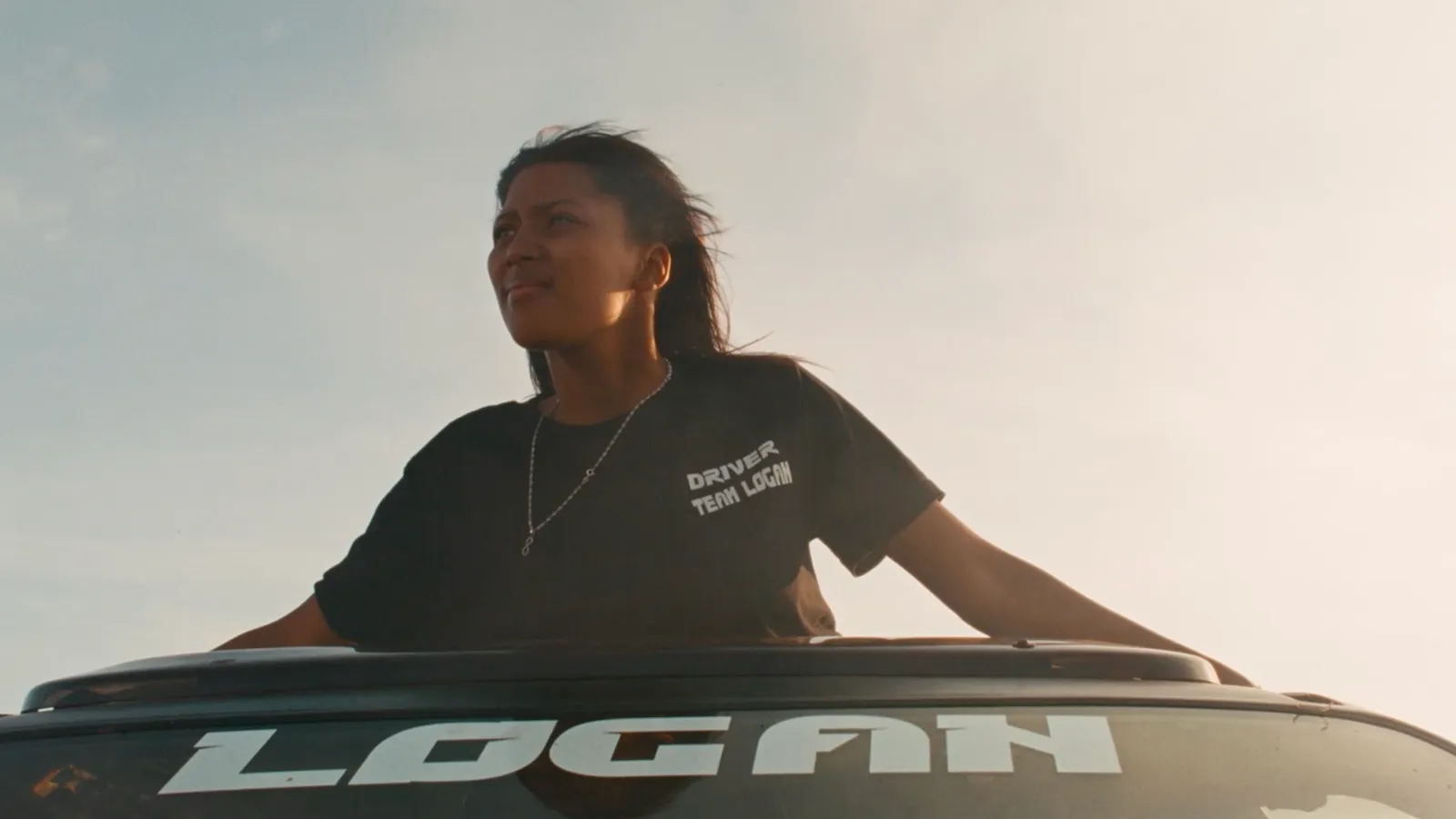
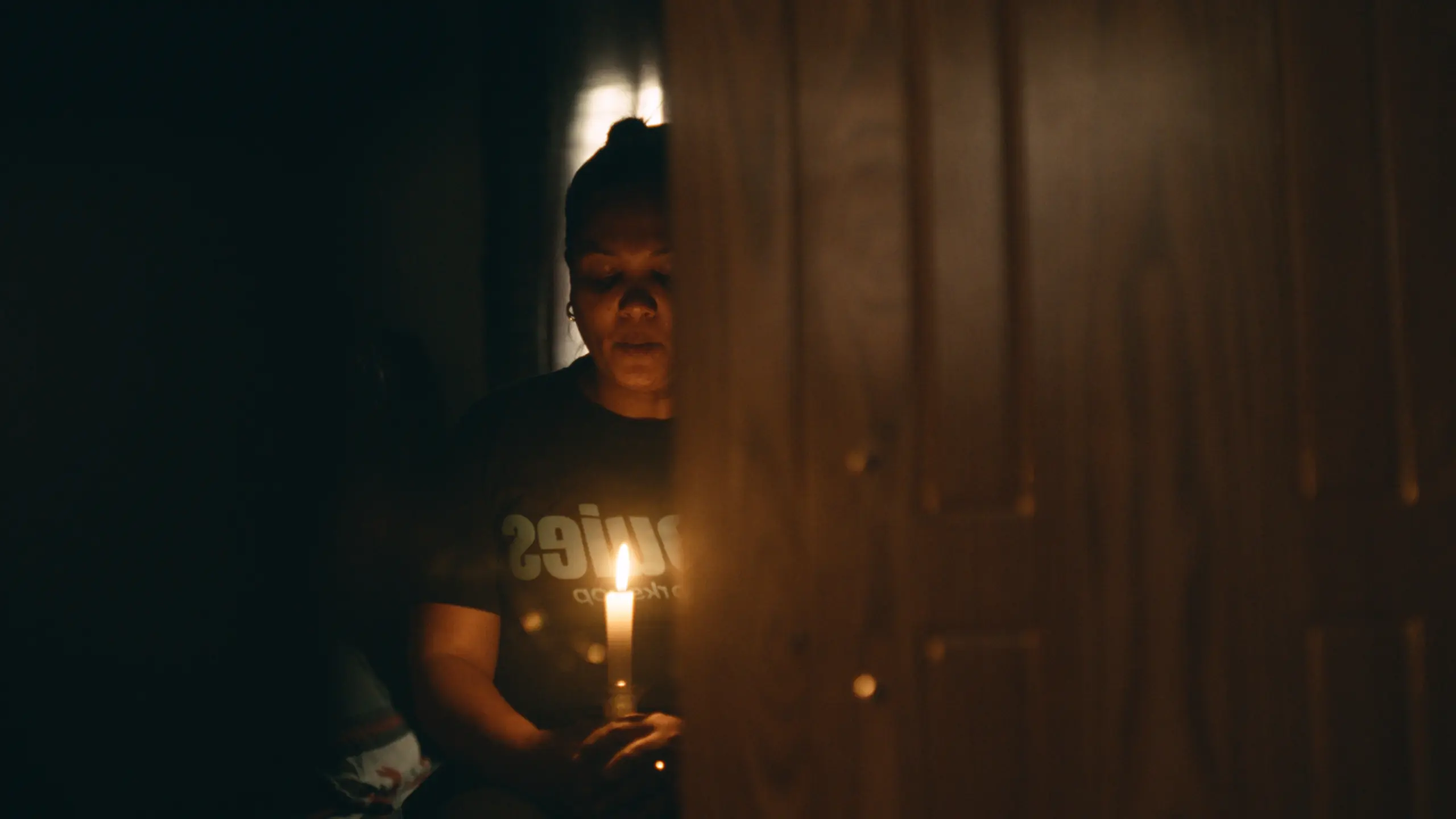
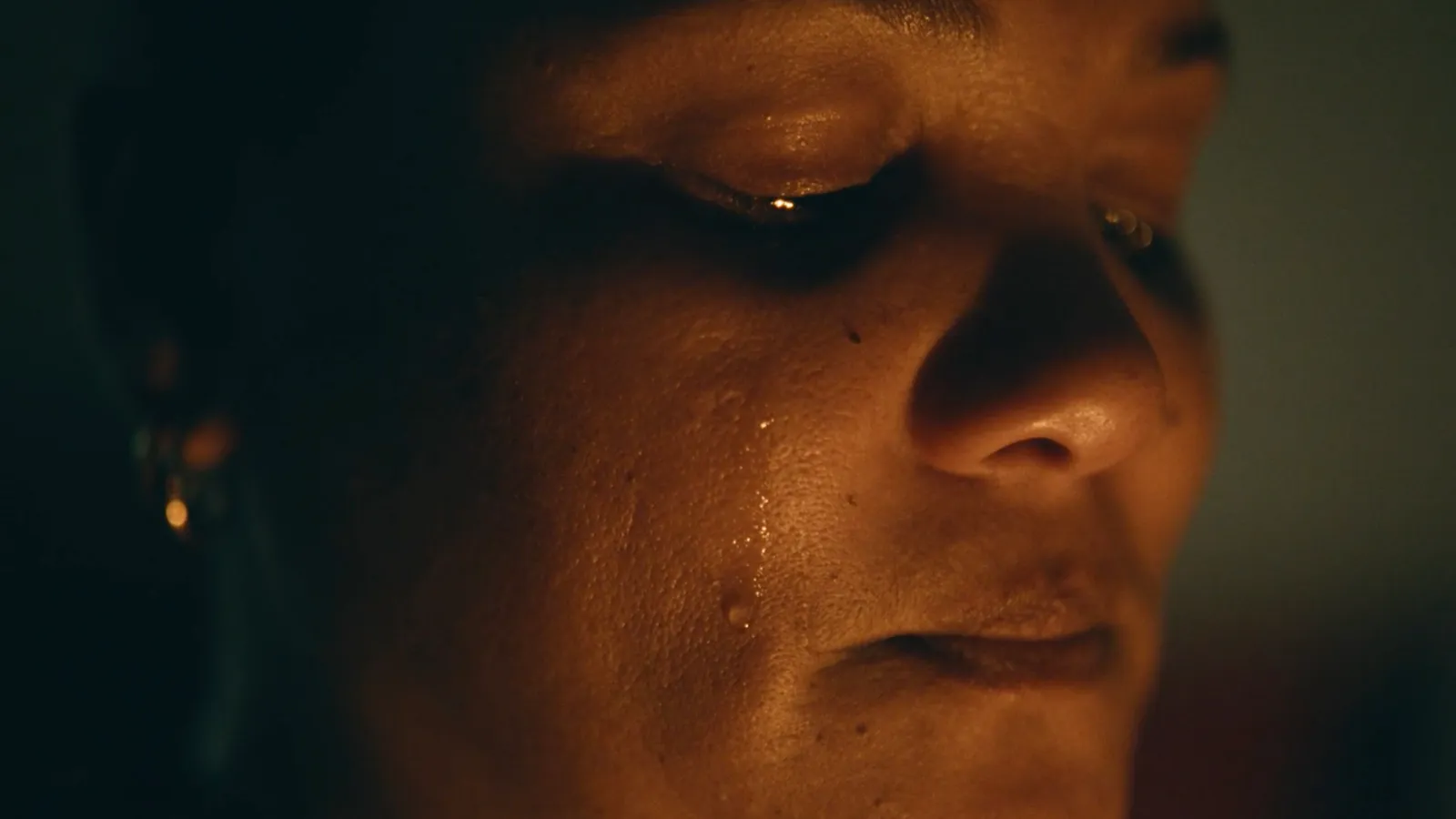
Logan carries much of the film in silence, which meant the score had to do work dialogue couldn't. “The score became a way of entering the internal worlds of both Logan and Mark, but particularly Logan, because she communicates so much without words,” Jansch explains. “Once I understood that the film was really tracking Logan's inner journey, I began thinking about it almost mathematically: she starts in a kind of zero state. She is withdrawn, compressed, almost trying to disappear. Her world feels small. There is very little sense of possibility.”
That's where the figure eight comes in, the signature spinning manoeuvre, and the idea that shaped the entire score. “Turn the eight on its side and it becomes infinity,” Jansch says. “So musically we began moving from zero toward infinity. The earlier score holds Logan in that more enclosed, restrained emotional space. As she gains confidence and agency, the music begins to open with her.”
By the end, she says, “infinity” isn't about mastering a manoeuvre in a car at all. “It is a state of mind… that feeling of being completely focused, completely in flow, and suddenly able to imagine a life beyond the boundaries that once defined you.”
When the Engine Becomes an Instrument
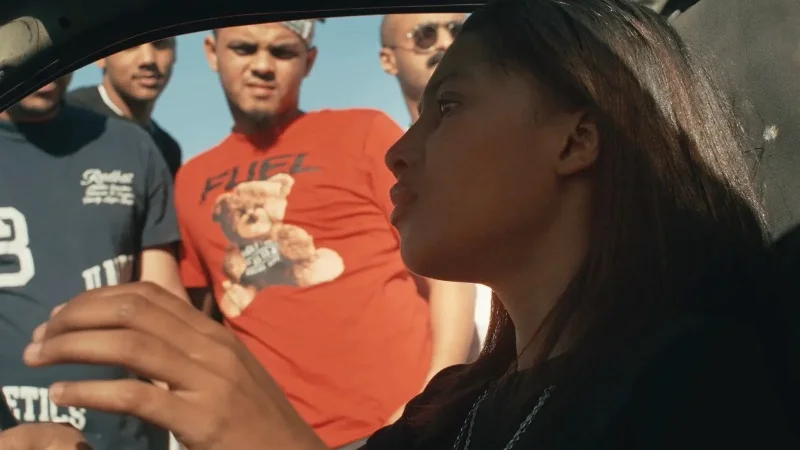
Spinning has its own soundtrack built in, engines, tyres, the crowd, so the score needed to sit alongside that world rather than compete with it. “Rather than asking the score to compete with those sounds, we wanted the two to almost become part of the same emotional language,” Jansch says.
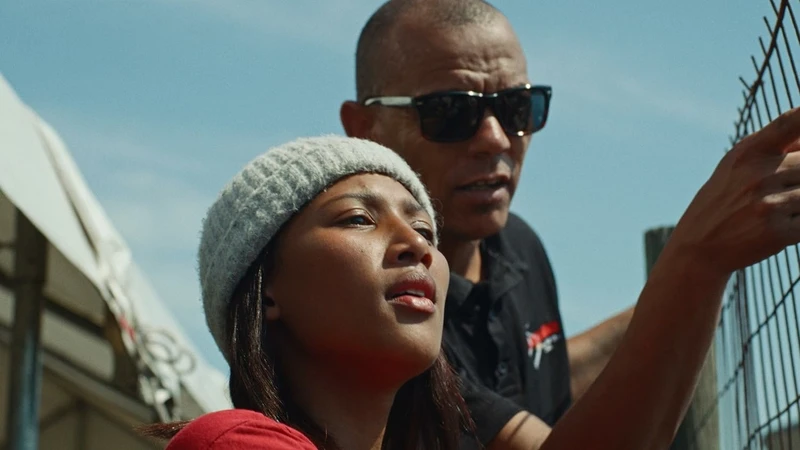
She points to a training sequence where Mark teaches Logan to spin. “The engine becomes incredibly expressive,” she says. “It almost sounds like everything she cannot say: frustration, anxiety, determination, adrenaline, this enormous inner charge trying to get out. The car is straining and roaring while Logan is learning to control it. In moments like that, the sound design and score aren't separate things. The engine becomes another instrument.”
How the Score Changed the Film's Ending
One of the clearest examples of music shaping the edit itself came right at the end of the film. “The ‘Infinity’ track at the end of the film completely clarified what that final sequence needed to be,” Jansch says. “On paper, it is the biggest spinning event in the film, so the obvious temptation was to make it about spectacle, the crowd, the cars, the noise, the scale of the event. But the music brought us somewhere much more intimate and internal.”
“We pared everything back and stopped treating the sequence as the climax of a sports film,” she says. “Instead, we watched her finding the figure eight and entering that state she had described earlier in the film: focused, in flow… the spinning becomes almost meditative. The crowd falls away. The spectacle falls away. What matters is Logan inside that car. For me, that is the completion of her journey from zero to infinity. The score helped us understand that the climax wasn't whether she could spin the car. It was the person she had become while learning to do it.”
Working with Pressure Cooker Studios
Pressure Cooker Studios was involved from the very beginning of production. “Jamie was literally on location with us, and threw his mic into one of the cars!” Jansch says.
On the collaboration itself, she doesn't hold back. “Always incredible, and incredibly collaborative,” she says. “I became very involved in music. And the scoring phase is my best part. I spend a huge amount of time finding references, cutting scenes to temporary tracks and sometimes becoming ridiculously attached to a particular note, rhythm or emotional idea. What I love about Pressure Cooker is that they listen deeply to all of that without simply imitating the reference. And they challenge me!”
“They somehow understand what I am reaching for and then push beyond my preconceived idea of what the music should be,” she continues. “Very often they give me something I wouldn't have known how to ask for, but which feels completely inevitable once I hear it. With From Dust, We Spin, the score became part of the storytelling rather than something sitting on top of it. It literally signposts the arc of the film, and gives language to things Logan and Mark cannot always articulate themselves.”
“One of the things that has really struck me since people started seeing the film is how many people independently mention the score,” she says. “They come out talking about the music and how deeply they felt it. And I know why.”